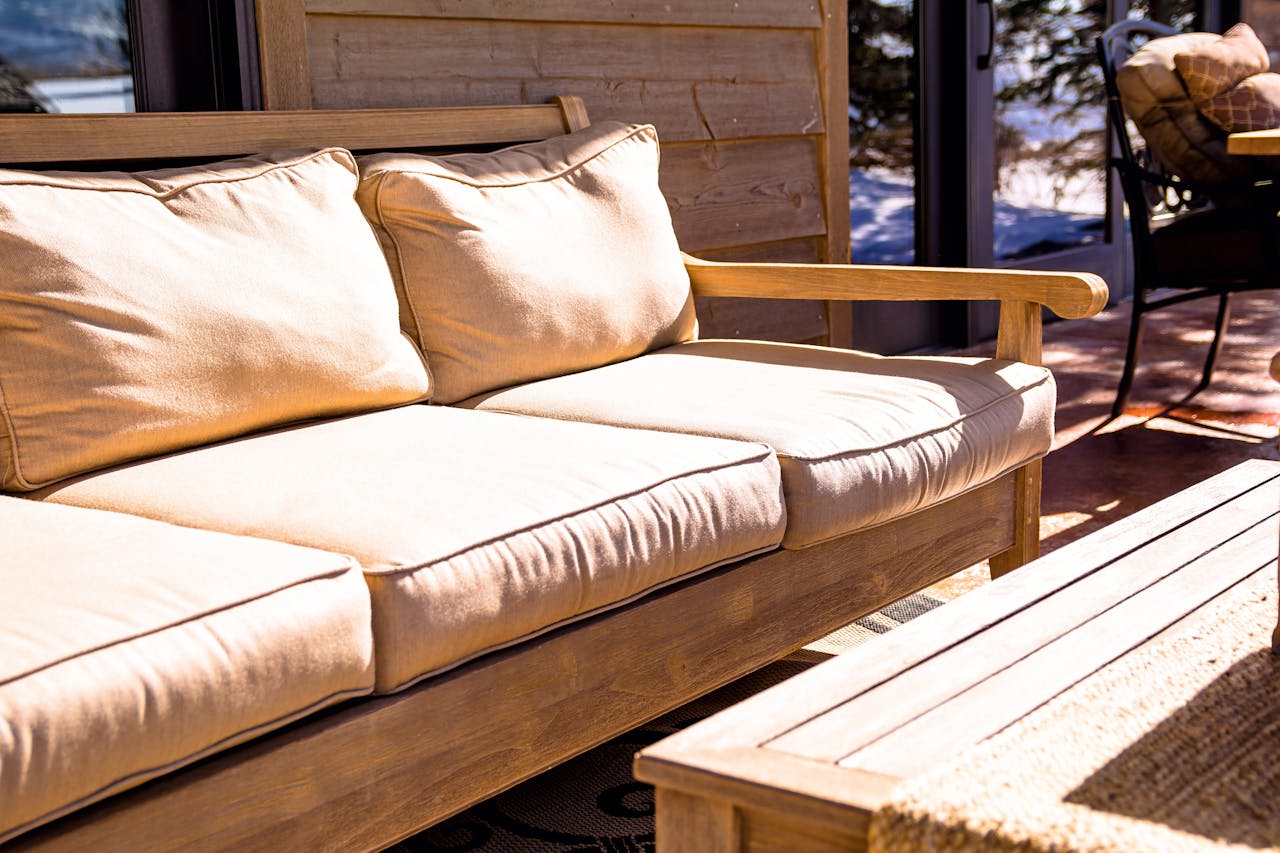
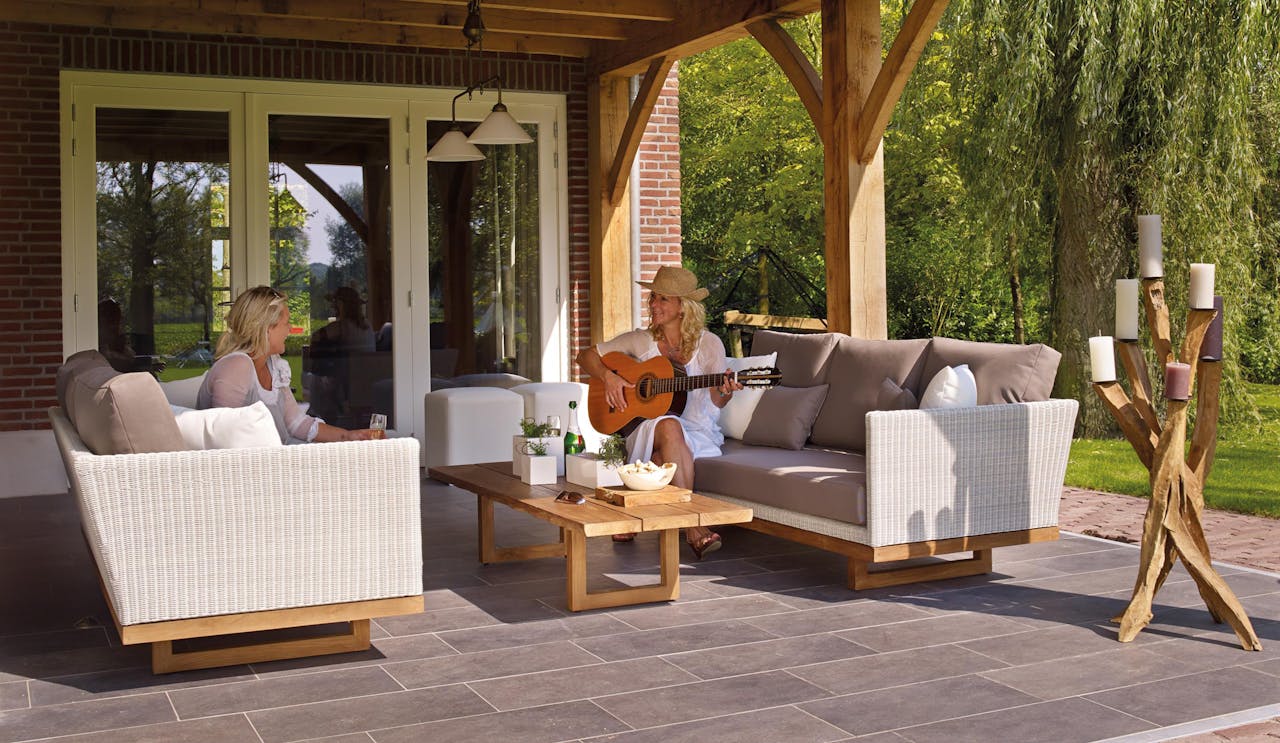
The integration of technology into wooden outdoor furniture represents another evolutionary step, with features like built-in LED lighting, wireless charging stations, and even heating elements becoming increasingly common. These technological additions enhance the functionality of outdoor spaces, extending their usability into evening hours and cooler seasons. Yet even as these innovations transform what wooden outdoor furniture can do, the fundamental appeal of wood itself remains constant. The tactile pleasure of running one’s hand over a smoothly finished wooden armrest, the visual warmth that wood brings to an outdoor setting, and the connection to nature that wood inherently provides pool furniture continue to make it a preferred material for outdoor furnishings.
Size and shape should match your specific setting. Measure your outdoor space carefully, remembering that the umbrella should extend at least 2 feet beyond your seating area on all sides for effective shade. Round canopies provide even coverage, while square or rectangular shapes may better complement certain table shapes or architectural elements.
In addition to their protective features, Umbrosa umbrellas are often designed with added functionalities. Some models include features such as wind vents, which allow wind pool furniture to escape rather than lifting the umbrella and risking damage. This thoughtful design element exemplifies the attention to detail that Omega Chaise goes into creating these products, ensuring that users can enjoy their outdoor experiences without unnecessary worry.
Frame materials must balance durability with weight and aesthetic considerations. Aluminum is a common choice for its corrosion resistance and favorable strength-to-weight ratio. Higher-end options might select stainless steel for its premium appearance and exceptional durability. Wood frames, typically teak or eucalyptus, offer classic aesthetics but require more maintenance over time. Fiberglass components provide excellent flexibility and weight advantages for larger models.
Throughout this manufacturing process, quality control checks maintain consistency and performance standards. The finished umbrellas undergo testing for stability, ease of operation, and wind resistance before packaging and distribution.
At its core, fiberglass consists of extremely fine fibers of glass that are woven together and then combined with a polymer resin. This creates a composite material with properties that surpass those of its individual components. For umbrella applications, these properties prove particularly valuable.
The canopy material – usually premium outdoor fabric like Sunbrella or Olefin – is cut into panels and sewn together. This fabric is then attached to the oak pool furniture frame, with reinforced points at high-stress areas. Quality umbrellas feature UV-resistant and waterproof treatments applied to the fabric to improve durability and functionality.